What is Poetry: A Beginner’s Guide
Poetry is having a moment in the world at large as well as my own.
I first wrote poetry as a teen. The flow of words helped me express my inner confusion and turmoil. But I felt embarrassed writing poetry. A wordy outpouring that was equally cathartic and uncool, and I was already that.
When University entered the picture, there was no time to write. Our assessments were exam based. I only wrote one essay in eight years.
I didn’t write for years.
Then I was injured in a way that forever changed my life. I was no longer defined by a professional I adored and the way people placed me in my worn and welcome box. This was confronting. The questions brewed and choked me.
Who, then, am I?
What is my role now?
How can I contribute?
Who am I?
What do I do with myself?
How do I accept this?
Who… am… I?
Intermixed with doctors’ appointments and trying to get better. Whatever we mean when we say that.
Late in this process, I started to write. To keep me sane. To hold on when the footing was slippery. To release the weight from my heart and push it from my brain and body. Writing poetry became safe; well, safer, at least. Yes, therapy.
I write first because I need to. Secondly, to improve, to become more expressive and understanding. To learn about myself. To connect more deeply with others. To become immersed in the present moment. To make a difference.
This may be why the world has turned to poetry too. The past years have been challenging. We’ve been shunted and confronted as a collective and as individuals. Poetry might be able to help you, too.
Just as many are turning to search engines to ask questions about this cathartic process, you might have to. Let’s touch on the basics, from one learning poet to another.
What Poetry Is
Poetry, in its simplest form, is a type of literature that uses aesthetic and rhythmic qualities of language to evoke meanings in addition to, or in place of, the usual vernacular. It is an art form that transcends boundaries, cultures, and languages and has been a part of human history for thousands of years. It is a way of expressing emotions, ideas, and narratives in a condensed and powerful way.
What Poetry Means
The meaning of poetry is as diverse as the people who write and read it.
It can be a personal expression of emotion, a way to tell a story, sharing something typically considered insignificant, noticing a new facet of the every day, or conveying complex ideas and concepts. Poetry can be a form of protest, a celebration, or a lament.
The beauty of poetry is that this art form means different things to different people, and its interpretation can change based on the reader’s experiences, perspectives, and life lens. What life "looks like" to them.
How Poetry Is Written
Poetry uses various techniques, including rhyme, rhythm, meter, and imagery. It can follow specific forms, like sonnets, haikus, or free verse, with no set structure or rules.
Writing poetry often involves deeply exploring one’s thoughts and feelings and carefully choosing words and phrases to convey those in a powerful and evocative way.
What Is Poetry (and what can it be)
Poetry can be many things: a song, a story, a prayer, a plea, a celebration, or a cry. It can be nonfiction because it can tell true stories and express real emotions. However, the poetic form can also deliver a work of fiction, creating imaginary worlds and characters.
Which raises a frequently asked question: are poems songs?
They can be, absolutely. Many songs are written in verse and share characteristics with poetry. After all, one tell-tale sign of a great poem is its musicality.
When I think about this question, my mind rests on bands and artists like The Beatles, Bob Dylan, Aurora, Richard Marx, and Crowded House. There are many more.
What Poetry Should I Read
The world of poetry is vast and diverse, and there are many great poets and poems to explore.
Classics include the works of William Shakespeare, Emily Dickinson, Langston Hughes, and Maya Angelou.
Contemporary poets like Amanda Gorman and Rupi Kaur are also worth reading.
The best advice is to read widely and find the poets and styles that resonate with you — those that move you somehow and whisper to your soul.
Can Poetry Matter
Absolutely! Poetry can matter in many ways.
Poetry can provide comfort, inspire change, provoke thought, and express the seemingly ineffable. It can help us understand ourselves and others and connect us to the broader human experience.
Poetic diction can be a powerful tool for communication and expression and make a difference in our lives and the world.
Why Poetry Is Important
Poetry allows us to express and explore our emotions, thoughts, and experiences uniquely and wonderfully.
The right piece opens us to see the world from different perspectives and can challenge us to think differently.
It is an art form that enriches our lives and culture and a means of communication that can transcend barriers of age, culture, gender, generation, politics, race, and time.
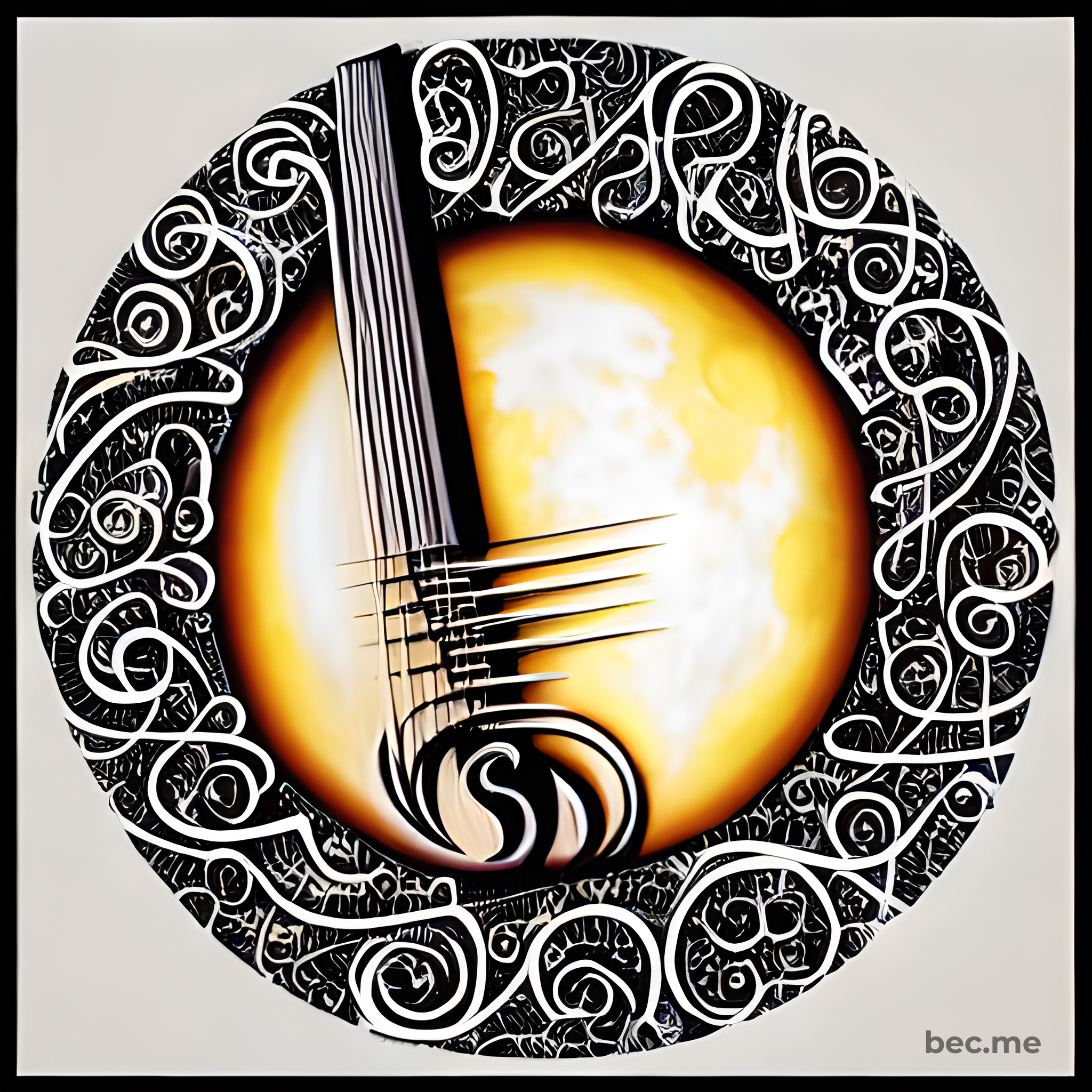
It can turn a moon into a guitar and find new meaning in both.
Poetry and You: A Personal Journey
As a beginner poet, it’s important to remember that poetry is a personal journey. It’s about finding your unique voice and expressing your perspective on the world. No one else has your exact lens or experiences.
Don’t be afraid to experiment with different forms and techniques. Draw inspiration from a wide range of sources. Read, write, listen to poetry podcasts, consume interviews with poets — those well-known and those not, and play.
Write terrible poetry! Sometimes the worst of words are the best of therapy. And you won’t hone any skill — poetry included — without doing the work.
And remember, there’s no right or wrong way to write poetry – it’s all about expressing yourself in a way that feels authentic to you.
The Popularity of Poetry in the Modern World
In the last few years, poetry has seen a resurgence in popularity. Maybe embracing the evocative tumbling of words amid crises is human nature. Or perhaps social media has enabled us, everyday folks, to access poetry in a meaningful way. One relevant to the modern world and the experiences we are having.
Nothing against Shakespeare or Milton, but one doesn’t need to turn to the pages of an English textbook to gain an appreciation of and resonance with the musicality and moving power of words.
Are Poetry Books Popular
Yes! Poetry books are wonderfully popular.
Poetry has had a long and storied history, from the epic poems of ancient civilisations to the contemporary poetry of today.
The recent resurgence of poetry has harpooned the mainstream collective. With a new generation of poets, the power of social media, the advent of print-on-demand, and no doubt a messy mix of other elements, poetry books — both physical and digital — are popular and continue to find a broad and diverse audience.
Thank the stars!
Conclusion: The Timeless Art of Poetry
Poetry is a timeless art form that continues to captivate and inspire. Whether you’re a reader, writer, novice, or seasoned veteran, there’s always something new to discover in poetry.
So dive in, explore, and let the poetry enrich your life. It’s so worth the effort!